How Tall Can You Build a Retaining Wall Without a Permit in Minnesota?

Make sure your retaining wall is compliant with local codes.
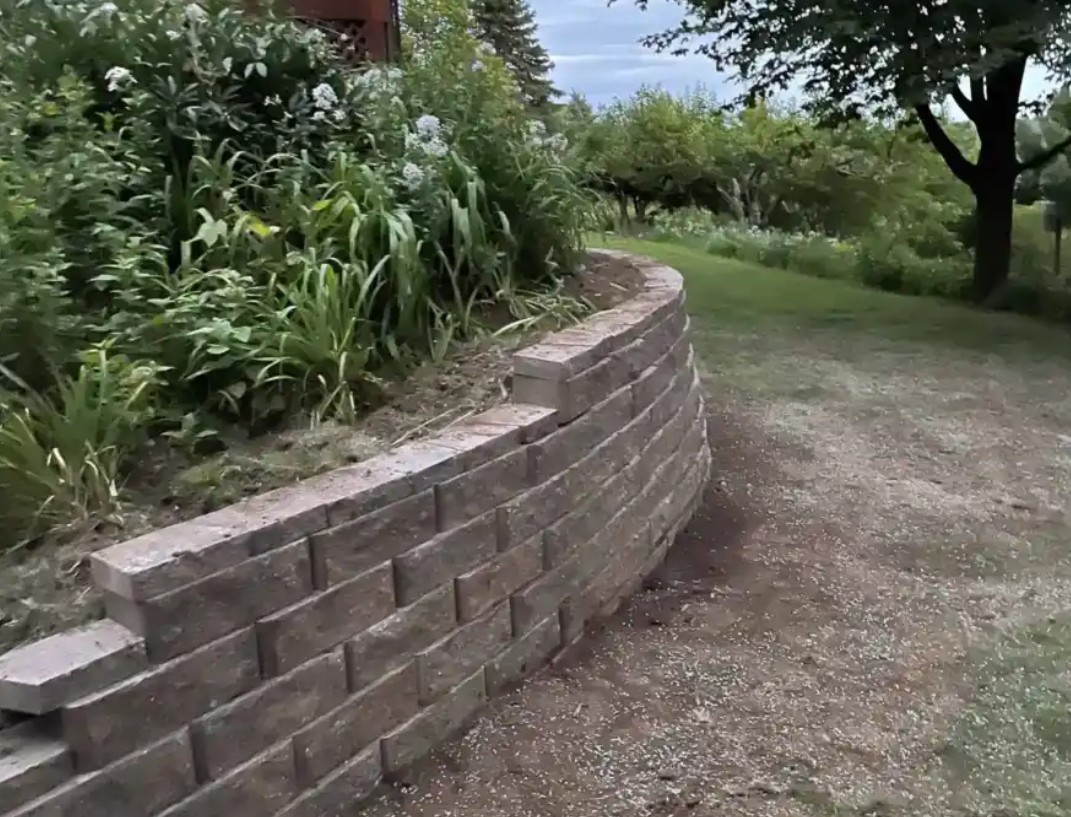
You're looking at that slope in your backyard thinking about the retaining wall you'd like to build. Maybe you want a level spot for a patio, or you're dealing with erosion, or you just want to create beautiful tiered garden beds.

Then reality hits: Do I need a permit for this? Do I need an engineer? What if I just keep it short?

These are excellent questions, and getting the answers wrong can cost you thousands in fines, force you to tear out your work, and potentially create a liability nightmare if something goes wrong.

Let's talk about retaining wall regulations in Minnesota—specifically, how tall you can build before permits and engineering become requirements, and why these rules exist in the first place.

The Quick Answer (With Important Caveats)

In most Minnesota communities, retaining walls over 3-4 feet in height typically require a building permit and often an engineered design. Walls under this threshold may not require permits, though this varies significantly by jurisdiction.

But here's the critical part: That measurement isn't as simple as it sounds, the rules vary by location, and there are many other factors that can trigger permit requirements even for shorter walls.

Let's break it all down so you can make informed decisions about your property.

Understanding How Wall Height Is Measured

Before we discuss specific thresholds, you need to understand how wall height is measured—because it's not what most homeowners expect.

Measuring from the Base of the Foundation

Wall height is measured from the top of the foundation base (or bottom of the wall) to the top of the wall—not from the ground level you see after the wall is finished.

Here's why this matters:

Imagine you want a 3-foot tall wall. You excavate down 12 inches for the foundation, place the base, then build 36 inches of visible wall above it.

The actual wall height? 4 feet (12 inches foundation below grade + 36 inches visible wall).

That extra foundation depth—which is absolutely necessary for stability and Minnesota's frost conditions—pushes many walls into permit territory even when they don't look that tall above ground.

The "Total Height" vs. "Exposed Height" Confusion

Some municipalities measure "total height" (including buried foundation), others measure "exposed height" (only the visible portion after backfilling). Always clarify with your local building department which measurement method they use.

Tiered Walls: Special Measurement Rules

If you're building multiple walls in tiers (stepped walls), special rules often apply:

  • If walls are close together (typically less than twice the height of the lower wall apart), they're often measured as one combined wall
  • Example: Two 3-foot walls placed 5 feet apart might be treated as a single 6-foot wall
  • This almost always triggers permit and engineering requirements

Minnesota State Building Code vs. Local Ordinances

Here's where it gets complicated: Minnesota doesn't have a single statewide rule for all retaining walls.

State Code Baseline

The Minnesota State Building Code (based on International Building Code) generally requires permits for retaining walls over 4 feet in height that support a surcharge (extra load like driveways, structures, or sloped ground above the wall).

However, retaining walls that don't support surcharges may be exempt from state code requirements.

Local Jurisdictions Rule

Most importantly, local municipalities can—and do—adopt more stringent requirements. Your city or county determines the actual rules that apply to your property.

Common local variations include:

  • Height thresholds anywhere from 2 feet to 4 feet
  • Different rules for walls near property lines
  • Specific engineering requirements
  • Additional restrictions near water or wetlands
  • Homeowners Association (HOA) rules that exceed city requirements

Permit Requirements by Major Twin Cities Jurisdictions

While you must always verify current requirements with your specific municipality, here are general guidelines for major Twin Cities area communities:

Minneapolis

  • Retaining walls over 4 feet typically require building permits
  • Engineering may be required depending on wall location and purpose
  • Walls supporting surcharges (driveways, structures) have stricter requirements
  • Zoning setback requirements apply

St. Paul

  • Walls over 3 feet generally require permits
  • Engineering stamped plans required for taller walls
  • Strict requirements near property lines
  • Right-of-way walls have additional regulations

Lakeville

  • Walls 4 feet or taller typically need building permits
  • Engineering requirements for walls supporting surcharges
  • Frost depth considerations (42+ inches) must be addressed
  • Additional requirements near city property or easements

Burnsville, Eden Prairie, Woodbury, Eagan

Most suburban Twin Cities communities follow similar patterns:

  • 3-4 foot threshold for permit requirements
  • Engineering required for taller walls or complex situations
  • Stricter rules near property lines and public areas
  • HOA restrictions may be more stringent than city requirements

Dakota County, Hennepin County, etc.

Unincorporated areas follow county regulations, which often mirror state code but with local amendments.

CRITICAL: Always check with your specific building department. These are general guidelines only. Requirements change, and your specific property may have unique considerations.

When Engineering Is Required (Even for Short Walls)

Here's what catches many homeowners off guard: Even walls that don't require permits may need professional engineering in certain situations.

Situations That Trigger Engineering Requirements

1. Supporting Surcharges

Any wall supporting extra loads typically needs engineering:

  • Driveways or parking areas above the wall
  • Structures (sheds, decks, patios) near the wall
  • Steep slopes above the wall
  • Heavy landscaping or soil loads

2. Poor Soil Conditions

If your site has:

  • Soft or unstable soils
  • High water table
  • Expansive clay soils
  • Fill dirt that's not well compacted

3. Height (Even if Below Permit Threshold)

While a 3-foot wall might not legally require engineering, it's often wise to get professional input, especially if it's supporting anything or in a visible location where failure would be expensive.

4. Proximity to Structures or Property Lines

Walls near:

  • Your home's foundation
  • Neighbors' property
  • Public right-of-ways
  • Utilities

5. Tiered or Complex Walls

Multiple walls, curves, corners, or unusual site conditions warrant professional design.

The Real Risks of "Going Rogue" Without Permits

Some homeowners think: "If I keep it under 4 feet, I'll just build it myself and avoid the hassle."

Here's what can go wrong:

Legal and Financial Consequences

Code Violations:

  • Building inspectors can require you to tear out non-compliant work
  • Daily fines until violations are corrected
  • Difficulty selling your home (unpermitted work shows up in inspections)

Liability Issues:

  • If your wall fails and damages neighbors' property, you're liable
  • Homeowners insurance may not cover damage from unpermitted work
  • Personal injury liability if someone is hurt by wall failure

Property Value Impact:

  • Unpermitted work can reduce property value
  • Buyers may require removal or permitting before purchase
  • Title insurance issues during sale

Safety Risks

Wall Failure:

  • Improperly built walls can collapse, causing:
    • Property damage (yours and neighbors')
    • Soil erosion and drainage problems
    • Injury or death in worst cases

The Most Common Cause of Failure? Improper drainage. This is why professional guidance matters—even DIY homeowners often don't understand how critical drainage is for Minnesota's freeze-thaw conditions.

At Preferred 1 Concrete, we've been building retaining walls in the Twin Cities since 2004, with my father's experience going back to the 1980s. We've seen what happens when walls are built without proper design—and it's never pretty.

What Makes a Retaining Wall Safe and Legal

Understanding what goes into proper wall construction helps you appreciate why regulations exist:

1. Engineered Foundation

In Minnesota, frost penetration reaches 42+ inches deep. Your wall's foundation must:

  • Extend below frost line for taller or critical walls
  • Be properly sized for the wall load
  • Sit on stable, compacted base material
  • Remain level despite freeze-thaw cycles

2. Drainage Systems (Non-Negotiable)

Water is the #1 enemy of retaining walls. Proper drainage includes:

  • Clean, angular drainage gravel behind the wall (minimum 12 inches)
  • Perforated drain pipe at the base with proper slope
  • Filter fabric separating drainage gravel from soil
  • Surface grading directing water away from the wall

We cannot overstate this: improper drainage causes the vast majority of retaining wall failures, especially in Minnesota's freeze-thaw climate.

3. Proper Backfill and Compaction

  • Correct backfill materials (not just excavated soil)
  • Compaction in 6-8 inch lifts
  • Proper density to prevent settling

4. Wall Construction Quality

  • Level, stable base course
  • Proper setback (batter) leaning into the slope
  • Correct block/stone placement
  • Reinforcement when needed (geogrid for taller walls)

5. Frost Considerations

Minnesota's freeze-thaw cycles create unique challenges:

  • Ice lenses forming behind walls create enormous pressure
  • Water trapped behind walls expands when frozen
  • Repeated freezing and thawing progressively damages improperly built walls

The Permit Process: What to Expect

If your wall requires a permit, here's what the process typically involves:

1. Pre-Application Research

  • Determine specific requirements for your jurisdiction
  • Understand setback requirements from property lines
  • Check for easements, utilities, or restrictions

2. Design and Plans

For engineered walls:

  • Hire a structural engineer licensed in Minnesota
  • Engineer assesses site conditions
  • Creates stamped plans specifying materials and construction methods
  • Calculations prove the wall can safely handle loads

For non-engineered walls (where allowed):

  • Detailed drawings showing dimensions, materials, drainage
  • Specifications for foundation depth and preparation

3. Permit Application

  • Submit plans to building department
  • Pay permit fees (typically $100-$500 depending on project scope)
  • Wait for plan review (1-4 weeks typically)

4. Construction and Inspections

  • Schedule required inspections (usually foundation and final)
  • Inspector verifies work matches approved plans
  • Corrections if needed
  • Final approval and permit closure

Timeline Expectations

  • Simple permits: 2-4 weeks from application to approval
  • Complex/engineered walls: 4-8 weeks
  • Rush fees may be available for faster processing

When You Can Build Without Permits (Probably)

Based on typical Minnesota regulations, you likely don't need permits if:

Your wall meets ALL of these criteria:

  • Total height under 3-4 feet (verify local threshold)
  • Not supporting any surcharges (driveways, structures, slopes)
  • Not near property lines (typically need 3+ feet setback)
  • Not in a sensitive area (wetlands, floodplains, HOAs)
  • On stable soils with good drainage
  • For landscaping purposes only

Even Then, Consider:

  • Consulting a professional for design guidance
  • Following construction best practices
  • Installing proper drainage systems
  • Using quality materials appropriate for Minnesota climate

Professional Installation: Why It Matters

Whether or not you legally need permits, professional installation provides:

Expert Site Assessment

Professional contractors understand:

  • Soil conditions and their implications
  • Drainage patterns and solutions
  • Frost depth requirements for your area
  • Minnesota-specific construction challenges

Proper Materials and Techniques

We use:

  • Quality blocks or stone appropriate for the application
  • Clean, angular drainage gravel (not pea gravel or sand)
  • Proper filter fabric specifications
  • Correctly sized and sloped drain pipe

Liability Protection

When professionals install your wall:

  • They carry insurance for the work
  • Quality is guaranteed
  • Work can be inspected and approved
  • You have recourse if problems arise

Long-Term Performance

Properly installed walls last decades. We've been installing concrete patios, driveways, and retaining walls since 2004, and my father's been doing concrete work since the 1980s. We know what works in Minnesota conditions.

Common Mistakes DIYers Make

Even well-intentioned homeowners make these critical errors:

1. Underestimating Drainage Importance

Using incorrect materials (pea gravel instead of angular stone), skipping the drain pipe, or forgetting filter fabric. Result: wall failure within 3-5 years.

2. Inadequate Foundation

Not going deep enough, insufficient compaction, or building directly on soil instead of prepared base. Result: settling, tilting, or collapse.

3. Poor Backfill Practices

Dumping excavated clay behind the wall, not compacting in lifts, or creating voids. Result: wall movement and eventual failure.

4. Ignoring Frost Depth

Not accounting for Minnesota's 42+ inch frost line. Result: frost heave lifting and destroying the wall.

5. Incorrect Height Measurements

Building what they think is a 3-foot wall that's actually 4+ feet when measured properly. Result: code violations and forced removal.

Making Your Decision: A Framework

Use this decision tree to determine your path forward:

Question 1: How tall is your wall (including foundation)?

  • Under 3 feet: Probably no permit needed (verify locally)
  • 3-4 feet: Check local requirements
  • Over 4 feet: Definitely need permits and likely engineering

Question 2: What's the wall supporting?

  • Just landscaping: Lower scrutiny
  • Driveway, patio, or structure: Higher requirements
  • Near building foundation: Definitely needs engineering

Question 3: What are your soil conditions?

  • Rocky, sandy, well-drained: Standard approach
  • Clay, wet, or unstable: Professional design recommended

Question 4: What's your risk tolerance?

  • Willing to risk violations: Proceed at own risk
  • Want it done right: Get permits and professional help
  • HOA property: Follow strictest applicable rules

Our Recommendation

At Preferred 1 Concrete, we always recommend:

For walls 3+ feet: Get professional design and proper permits. The peace of mind, liability protection, and long-term performance are worth it.

For walls under 3 feet: At minimum, consult with professionals about design and drainage, even if you're doing the work yourself.

For any wall: Understand that proper drainage is non-negotiable in Minnesota's climate. Cutting corners here guarantees failure.

We don't cut corners and we don't take shortcuts. Our commitment is to projects that last—which means following codes, implementing proper drainage, and building to engineering standards even when we're not strictly required to.

Resources and Next Steps

Contact Your Local Building Department

Twin Cities Area Jurisdictions:

  • Minneapolis: (612) 673-3000
  • St. Paul: (651) 266-9000
  • Lakeville: (952) 985-4400
  • Burnsville: (952) 895-4400
  • Woodbury: (651) 714-3500
  • Eden Prairie: (952) 949-8300

Ask specifically about:

  • Height thresholds for permits
  • How height is measured
  • Engineering requirements
  • Setback restrictions
  • Estimated timeline and costs

Find Licensed Professionals

For engineering:

  • Minnesota Board of Architecture, Engineering, Land Surveying, Landscape Architecture, Geoscience and Interior Design: (651) 296-2388

For installation:

  • Look for contractors with:
    • Established local history
    • References from similar projects
    • Understanding of Minnesota-specific requirements
    • Proper licensing and insurance

Ready to Discuss Your Retaining Wall Project?

Whether your wall requires permits or not, starting with professional guidance sets you up for success. At Preferred 1 Concrete, we help Twin Cities homeowners navigate permitting requirements, design walls that last, and install them correctly for Minnesota's challenging conditions.

We've been serving families across the Twin Cities since 2004, building walls that are both beautiful and engineered to stand the test of time. We prioritize exceptional customer service and delivering superior work—and that includes ensuring your project meets all necessary codes and requirements.

Contact us today to discuss your retaining wall project. We really enjoy planning great retaining walls, driveways, sidewalks, and patio layouts, and we'd love to earn your business.

Let's build something great—the right way, with all necessary permits and professional standards in place.


How Much Does a Concrete Patio Cost in Minnesota? (Twin Cities Pricing Guide)

Understand the costs associated with building a patio at your Twin Cities home.

How Tall Can You Build a Retaining Wall Without a Permit in Minnesota?

Make sure your retaining wall is compliant with local codes.

Does a Concrete Patio Increase Home Value? (Minnesota Real Estate Data Inside)

Learn about the financial benefits of adding patio to your Twin Cities yard.

Best Concrete Patio Styles for Minnesota Outdoor Living (From Homeowners Who Use Them Year-Round)

Check out some of the most popular types of patios for Twin Cities homes.

How to Protect Your Concrete Patio from Minnesota's Freeze-Thaw Cycles (And Why It Matters)

Keep your patio and retaining wall safe this winter with these tips from our experts at Preferred 1 Concrete.

Modern Concrete Patio Cost Breakdown: What Minneapolis Homeowners Should Expect in 2026

When planning to install a new concrete patio, you can expect the following expenses.

7 Modern Concrete Patio Color Trends Replacing Plain Gray in Twin Cities Backyards

When installing a new concrete patio at your Twin Cities home, consider these popular colors.

Modern Concrete Patio Ideas for Minneapolis Homes: 2025-2026 Design Trends

Check out these ideas for your concrete patio in the Twin Cities.

How Long Does a Concrete Driveway Apron Last? Maintenance Tips from Minnesota Concrete Experts

When you invest in a concrete driveway apron, learn how long it can expect it to last.

Garage Flooding? Your Driveway Apron Might Be the Problem

If your garage floods, it can be due to numerous issues, including an issue with the driveway apron.

Concrete Apron vs. Asphalt Apron: Which is Better for Minnesota Weather?

Should you install a concrete or asphalt driveway at your Twin Cities homes? Check out these tips.

Sunken Driveway Apron? Here's What's Causing It and How to Fix It Permanently

If your driveway apron is sinking, it can be due to these issues.

Concrete Driveway Apron Cost in Minneapolis: What You Should Expect to Pay in 2025

Learn what you can expect to pay for a concrete driveway apron in the Twin Cities.

Before You Pour: Essential Questions Every Twin Cities Homeowner Should Ask Their Concrete Patio Contractor

Ask concrete contractors these key questions before they start on your patio.

Small Backyard, Big Impact: Concrete Patio Design Ideas for Compact Twin Cities Yards

Think your yard is too small for a patio? Think again. Check out these ideas.

Concrete Patio Maintenance Through Minnesota's Four Seasons: A Homeowner's Year-Round Guide

Use these tips to keep your concrete patio well maintained all year.

Stamped Concrete vs. Traditional Brushed Patios: Which Twin Cities Homeowners Choose and Why

Should you get a stamped concrete patio or traditional one? Learn more about each.

DIY vs. Professional Retaining Wall Installation: Why Twin Cities Homeowners Choose Experts

It's essential to hire the experts when you need to install a retaining wall at your Twin Cities home.

How Long Do Retaining Walls Last in Minnesota? A 20-Year Maintenance Guide

Learn about the estimated lifespan of retaining walls in the Twin Cities.

Top 5 Retaining Wall Designs to Boost Your Burnsville Home's Curb Appeal

Consider these common retaining wall styles to improve your outdoor space.

Retaining Wall Cost Guide for Twin Cities Homeowners: What to Expect in 2025

How much does it cost to install a retaining wall? Check out these estimates.

Minnesota Winter-Proof Retaining Walls: Materials That Survive Harsh Weather

Keep your retaining wall in good condition all year by taking these essential steps to winterize it.

Concrete Driveway Maintenance Tips for Minnesota Homeowners

Keep your Twin Cities driveway in good shape with these maintenance tips.

The Complete Guide to Concrete Driveway Installation: What Twin Cities Homeowners Need to Know

Learn what to expect during your concrete driveway installation in the Twin Cities!

Decorative Concrete Driveway Ideas to Boost Your Twin Cities Home's Curb Appeal

Want a unique driveway? Learn how with decorative concrete driveways.

How Long Do Concrete Driveways Last in Minnesota's Climate?

Learn how long you can expect your concrete driveway to last at your Twin Cities homes.

Concrete vs. Asphalt Driveways: Why Minneapolis Homeowners Choose Concrete

Why should you install a concrete driveway? Check out the factors to consider.

Top 7 Concrete Contractors in Lakeville, MN

When you need concrete work done at your Lakeville home, check out these top concrete contractors.

8 Coolest Concrete Patio Ideas

Need inspiration for your concrete patio? Consider these cool ideas.

Most Popular Types of Retaining Walls in St. Paul, MN

Need ideas for your Twin Cities retaining wall? Check out these common types of retaining walls.

Benefits of Installing Concrete Patios in the Twin Cities

Why should you install a concrete patio at your Twin Cities home? Check out the benefits they offer!

Is Concrete or Asphalt Better For My Twin Cities Driveway?

Need a new driveway? Learn why concrete driveways are the best option for Twin Cities homes.

6 Best Driveway Apron Repair Companies in Lakeville, MN

When you need driveway apron repair services in Lakeville, MN, find out which company to call (and why Preferred 1 Concrete is the answer!).
No items found.

How a Concrete Driveway Can Boost Curb Appeal Of Minneapolis Homes

When you need to replace your driveway, check out the benefits of concrete driveway services.
No items found.

Best Driveway Repair Companies Near Burnsville, MN

When you need driveway repairs in Burnsville, check out these top companies!
No items found.

When Should You Start Planning for Spring Concrete Projects?

Do you need a new driveway, patio, retaining wall or other hardscaping project? Start planning in the winter.
No items found.

Top Concrete Contractors Near Apple Valley, MN

Check out the top concrete contractors near Apple Valley, MN.

Why Fall is a Great Time to Install a Concrete Patio in Your Twin Cities Yard

Check out these top reasons why fall is a great time to install a new concrete patio.

Top 10 Hardscaping Projects for Your Twin Cities Yard This Fall

Check out these popular types of hardscaping projects you can add to your Twin Cities yard.
No items found.

Cool Retaining Wall Ideas for Small Yards

Looking for retaining wall ideas for your small yard? Check out some of these cool ideas.

Best Driveway Repair Companies in Lakeville, MN

Check out the top concrete driveway repair contractors in Lakeville, MN.

Top Spring Hardscaping Projects to Refresh Your Outdoor Space

Improve your yard by adding hardscaping, including a patio, retaining wall, or other feature.

Signs You Need a Patio Replacement at Your Lakeville Home

Find out what symptoms can indicate you need to install a new patio.

5 Tips to Protect Your Lakeville, MN Driveway While Shoveling

Protect your driveway this winter by using these key shoveling tips from our experts at Preferred 1 Concrete.

Need a Retaining Wall? Questions to Ask Burnsville, MN Retaining Wall Experts

Find out what key questions you should ask retaining wall experts near Burnsville, MN.

Top Driveway Apron Companies in Apple Valley, MN

Check out our list of the best driveway apron companies in the South Metro.

8 Best Concrete Contractors in Prior Lake, MN

Looking for a reliable concrete contractor in the Prior Lake, MN area? Look no further! We've compiled a list of the 8 Best Concrete Contractors in Prior Lake, each with a unique set of skills and services to meet your needs.

7 Best Concrete Contractors in Bloomington, MN

This comprehensive blog showcases the top seven concrete contractors in Bloomington, Minnesota, specializing in various services such as slabs, foundations, driveways, sidewalks, patios, and more.
No items found.

8 Best Home Builders in Prior Lake, Minnesota

Explore the best eight home builders in Prior Lake, Minnesota, each with their distinctive methods of creating dream homes, ranging from luxurious estates to eco-friendly designs. With diverse expertise and years of experience, these builders offer an array of choices tailored to individual requirements, budgets, and design tastes.

6 Strategies to Protect Your Driveway for Minnesotans

Covering everything from the importance of selecting the right materials and regular sealing to the need for frequent snow removal, prompt repair of cracks, regular cleaning, and ensuring proper drainage, this blog post offers practical solutions to the common challenges faced by Minnesota homeowners.
No items found.

10 Epic Backyard Patio Ideas and Inspiration Minnesota 2022

We pulled together some amazing backyard patio ideas, deck ideas, hardscape ideas & backyard design ideas. Get some inspiration & ideas fro your backyard from Preferred 1 Concrete in Minnesota.

6 Stamped Concrete Patio Ideas 2020

6 Other Concrete Patio Ideas

5 Concrete Patio Ideas for 2019

5 Concrete patio ideas worth checking out.