
Keep your patio and retaining wall safe this winter with these tips from our experts at Preferred 1 Concrete.
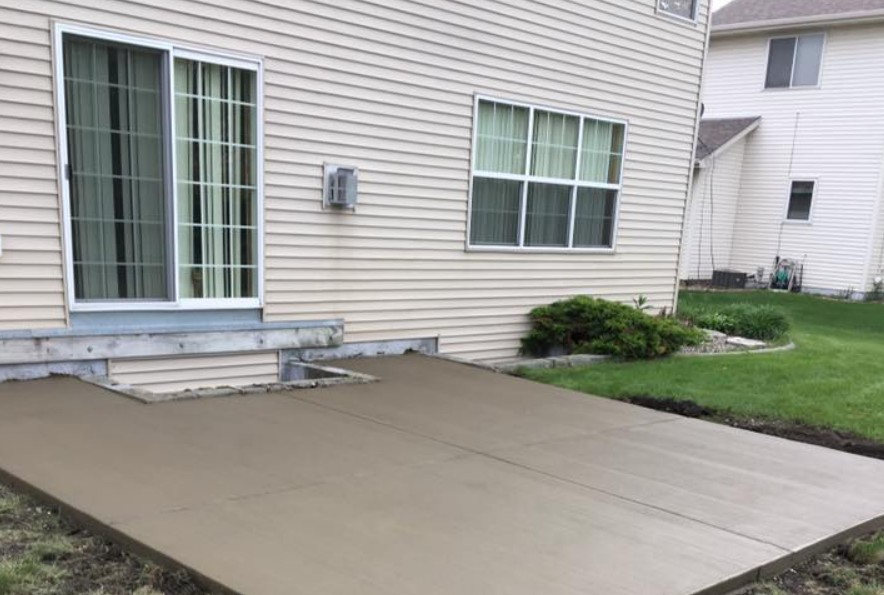
Every February, you've probably noticed it: one day it's 35 degrees and your snow is melting, the next day it's back to 5 below zero. This isn't just uncomfortable weather for Minnesotans—it's one of the biggest threats to your concrete patio's longevity.
If you're planning a concrete patio in the Twin Cities area, or if you already have one that's showing wear, understanding how Minnesota's brutal freeze-thaw cycles affect concrete is critical to protecting your investment.
Minnesota experiences some of the most challenging climate conditions for concrete in the entire country. Here's what happens during our winters:
The Freeze-Thaw Process:
Minnesota's Unique Challenge:
According to regional climate data, Minnesota experiences extended periods below 0°F during winter, with frost penetration reaching 3-6 feet deep. But it's not just the cold—it's the volatility. Late winter freeze-thaw cycles (February and March) are particularly damaging because temperatures swing wildly between above and below freezing.
The result? Concrete that wasn't properly protected can develop surface scaling, spalling (where the surface flakes or chips off), and structural cracking that gets progressively worse each season.
Here's what most homeowners don't realize: the freeze-thaw cycle itself isn't what destroys concrete—it's the water getting into the concrete in the first place.
Think of concrete like a hard sponge. It looks solid, but it actually contains millions of tiny air pockets and pores. When water fills these spaces and freezes, the expansion creates pressure from the inside out. Over years of repeated freezing and thawing, this internal pressure causes:
The good news? When concrete is installed correctly with proper protection measures, it can last for decades even in Minnesota's harsh climate. We've been installing concrete patios since 2004, and my father has been doing concrete work since the 1980s—we know what works in Minnesota winters.
The single most important factor in freeze-thaw protection is using air-entrained concrete. This isn't the same as air pockets that naturally form in concrete—it's a specific chemical admixture that creates billions of microscopic air bubbles throughout the concrete mix.
These intentional air bubbles act as tiny expansion chambers. When water freezes, instead of cracking the concrete, the expanding ice has somewhere to go—into these microscopic air bubbles. It's like giving the ice room to expand without damaging the structure.
For Minnesota conditions, concrete should contain 5-7% entrained air. This is non-negotiable for outdoor concrete that will face freeze-thaw exposure.
The concrete mix itself matters enormously. Higher-quality mixes with lower water-to-cement ratios create denser, less permeable concrete that resists water penetration in the first place.
Key specifications for Minnesota concrete:
Cheap concrete mixes with high water content might save money upfront, but they're essentially guaranteed to fail in Minnesota's freeze-thaw conditions. This is why we don't cut corners—quality materials cost more initially but last for decades.
In Minnesota, frost penetration typically reaches 42 inches or deeper. While your patio slab itself doesn't need to be that deep, the base preparation is critical.
What proper base preparation looks like:
A properly prepared base prevents the ground beneath your patio from heaving during freeze-thaw cycles. When the ground heaves, it pushes your patio up unevenly, causing cracks and structural problems.
Remember: water is the enemy. If you can keep water from getting into and under your concrete, you've won most of the battle.
Critical drainage elements:
Poor drainage is one of the most common reasons concrete driveways and patios fail prematurely. If water pools on the surface or saturates the ground beneath the slab, freeze-thaw damage is almost inevitable.
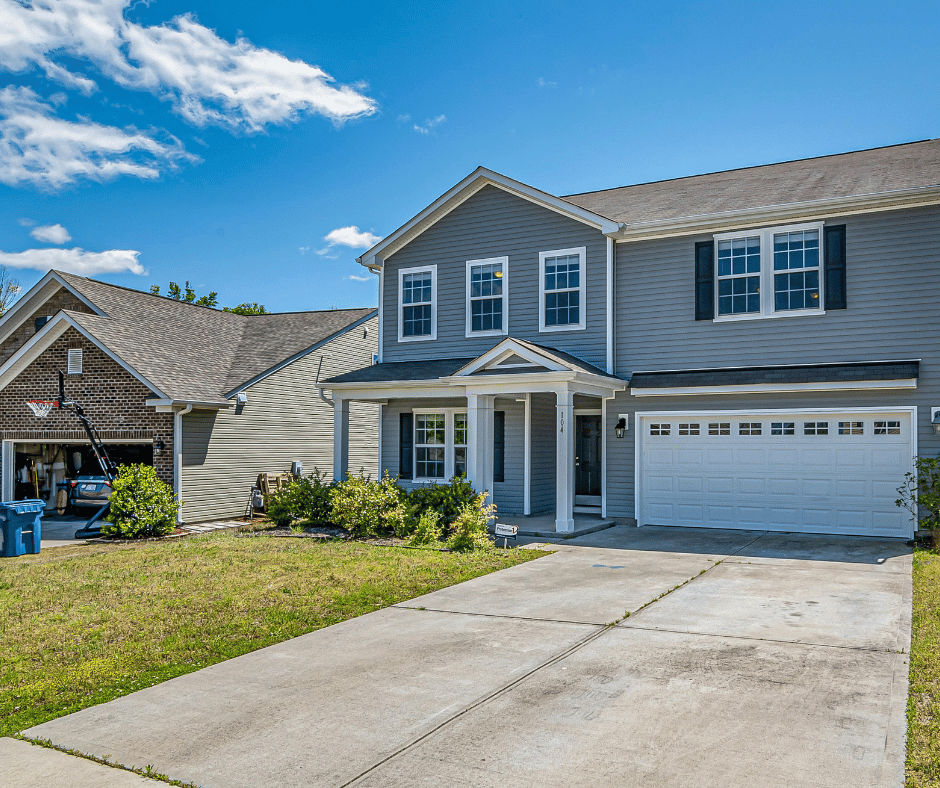
We see this problem frequently with driveway aprons—sunken driveways and improper drainage are absolutely essential to fix before they create even more significant problems, including flooding garages and foundation damage.
Concrete needs time to properly cure (harden) before it faces its first winter. Rushing this process or installing concrete late in the season can compromise its freeze-thaw resistance.
Curing requirements:
This is why we carefully plan installation timelines—we want your concrete to be fully cured and protected before Minnesota's first hard freeze.
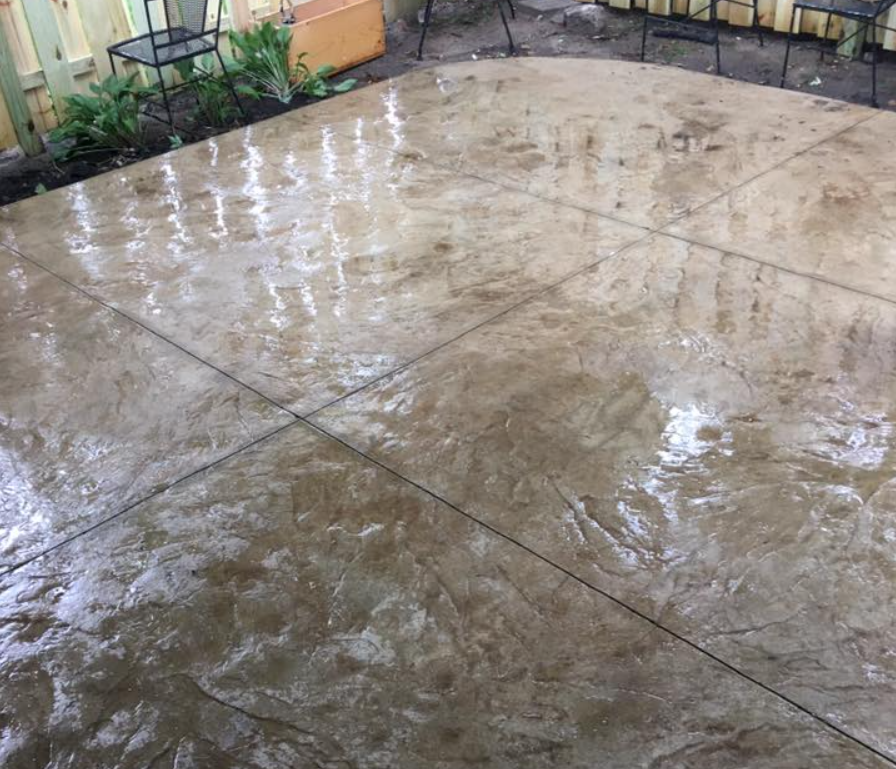
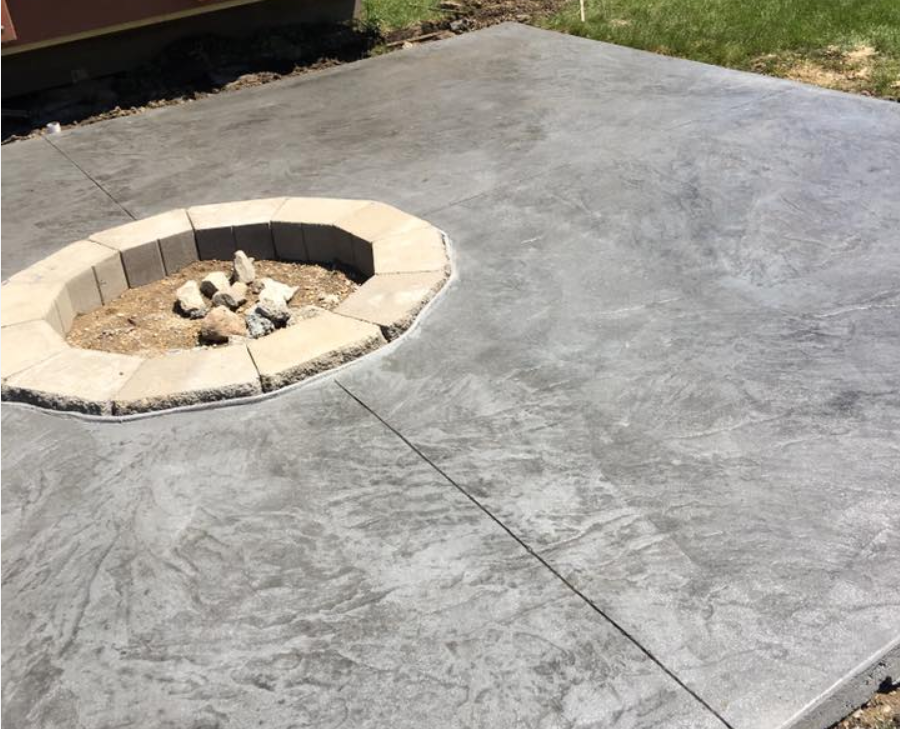
Concrete will crack. It's not a matter of if, but where. Control joints (those intentional grooves cut into the concrete) guide where cracks occur, keeping them straight and below the surface where they're not visible.
Proper control joint spacing:
Without proper control joints, your concrete will develop random, unsightly cracks across the surface. With them, any cracking that does occur happens along these intentional lines and remains largely invisible.
If you already have a concrete patio, these steps will help protect it from Minnesota's freeze-thaw cycles:
A quality concrete sealer acts as a raincoat for your patio, preventing water penetration. Apply a penetrating silane or siloxane sealer every 2-3 years, ideally in the fall before winter arrives.
Application tips:
Remove leaves, debris, and standing water promptly. Organic material holds moisture against the concrete surface, creating conditions for freeze-thaw damage.
Not all de-icing salts are created equal. Some chemicals are extremely aggressive to concrete:
Avoid:
Better options:
Never use de-icing salts on concrete less than one year old—it needs at least one full season to cure before exposure to salts.
If you notice water pooling on or around your patio, fix it immediately. Standing water is an invitation for freeze-thaw damage.
Small cracks can become big problems. Seal cracks before water can penetrate and cause further damage during freeze-thaw cycles.
We've seen countless patios in the Twin Cities area that failed prematurely because they weren't properly installed for Minnesota's climate. The result is usually:
Compare this to a properly installed concrete patio that can last 30, 40, or even 50+ years with minimal maintenance. The difference isn't just in how it looks—it's in the long-term value for your property.
Installing concrete in Minnesota isn't the same as installing it in Georgia or Arizona. Our climate demands specific knowledge, materials, and techniques.
At Preferred 1 Concrete, we've been serving families across Minnesota since 2004, and my father has been in concrete construction since the 1980s. We have a deep understanding of Minnesota's unique weather challenges and what it takes to build concrete structures that last.
When you work with a contractor who understands Minnesota's freeze-thaw cycles, you get:
We don't cut corners because we know what happens to concrete that isn't built right for Minnesota conditions. Our reputation is built on projects that last for decades, not just years.
Minnesota's freeze-thaw cycles are relentless, but they're not unbeatable. The key is starting with properly installed concrete that's designed for our climate from day one.
If you're planning a new concrete patio, driveway, or hardscape project, the decisions you make now will determine whether your investment lasts 5 years or 50 years.
At Preferred 1 Concrete, we specialize in concrete installations that stand up to everything Minnesota's weather can throw at them. We understand the engineering requirements, we use quality materials, and we don't take shortcuts.
If you're considering a concrete patio and want to understand how we protect against freeze-thaw damage, reach out to us. We really enjoy planning great patio layouts that are built to last, and we'd love to earn your business.
We're not just building concrete structures—we're building trust and relationships with Twin Cities families who want their outdoor spaces to last for decades.
Contact Preferred 1 Concrete today for a consultation. Let's create a concrete patio that you'll enjoy for years to come—Minnesota winters and all.




.png)
.png)
.png)
.png)
.png)










.png)
.png)


